

Nalsarovar and Beyond: Top Attractions Near Om Sanctuary Palace Worth Exploring
Discover the best attractions near Om Sanctuary Palace at Nalsarovar — from bird-watching and temples to local villages and wetland trails. Plan your visit today.
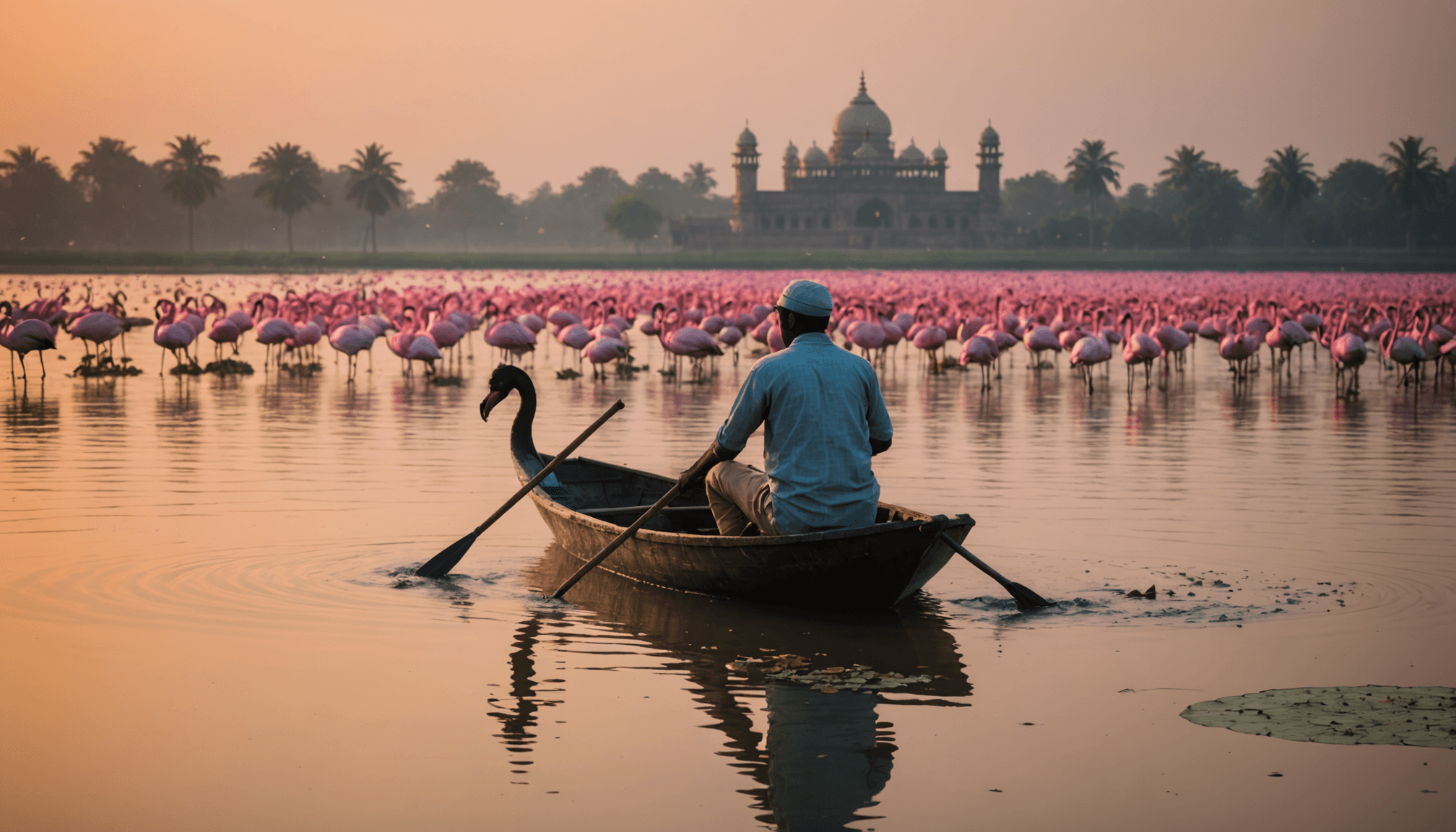
Most travellers heading to the Nalsarovar region come for one thing: the birds. And while the sanctuary absolutely delivers — especially between November and February when migratory flocks arrive in force — the surrounding area holds far more than most visitors expect. Temples, rural craft villages, quiet wetland trails, and a handful of culturally rich stops all sit within easy reach of the sanctuary's edge.
For guests staying at Om Sanctuary Palace by Hotshot Hotelier Hospitality, this is one of the genuine advantages of the location. Rather than treating the sanctuary as a single-day tick-box, the property sits close enough to the key access points that you can return at different times of day, layer in a temple visit in the afternoon, or take a morning boat ride and still have time for a village walk before sunset. This guide covers the attractions worth building into your stay — and how to approach each one without wasting time.
Nalsarovar Bird Sanctuary: More Than a Single Morning
The sanctuary itself is the obvious starting point, and it rewards more than one visit during a stay. Spread across a large shallow lake, Nalsarovar Bird Sanctuary is one of India's most significant wetland reserves, protected under the Ramsar Convention. During peak season, flamingos, pelicans, cranes, and dozens of migratory species gather here in numbers that are genuinely hard to describe until you see them.
The practical tip most first-timers miss: arrive at the boat jetty before sunrise. The light is better for photography, the birds are more active, and the crowds — which build significantly by mid-morning on weekends — are minimal. Boat rides are arranged at the jetty, and local boatmen know the quieter inlets where sightings are more reliable. A second, shorter visit in the late afternoon catches the golden-hour light over the water and a different set of species coming in to roost.
Guests can check /explore-nalsarovar for more detail on planning their time at the sanctuary.
Temples and Sacred Sites in the Surrounding Area
The Nalsarovar region sits within a part of Gujarat that has long been a pilgrimage corridor. Several temples are located within a manageable drive of the sanctuary, making a half-day temple circuit a practical option on a longer stay.
The area's rural temples tend to be quieter and more atmospheric than the large pilgrimage centres further afield — stone shrines surrounded by open farmland, often with small local festivals running during auspicious dates. If your visit overlaps with a local fair or religious gathering, it is worth asking at the hotel front desk; the team at the property can often point guests toward events that do not appear on standard travel sites.
For guests with a specific interest in Gujarat's temple architecture or pilgrimage routes, the /packages page includes options that can be tailored around these visits.
Rural Villages and Craft Traditions
One of the less-visited but genuinely rewarding experiences in this part of Gujarat is time spent in the rural villages near the sanctuary. The communities here have long coexisted with the wetland ecosystem — fishing families, farmers, and craftspeople whose daily life looks quite different from urban Gujarat.
Some villages in the area are known for traditional crafts, including embroidery and pottery styles that are specific to this region. Walking through a village in the early morning, when activity is highest, gives a ground-level sense of the landscape that no boat ride can replicate. The property's staff can suggest which villages welcome visitors and the best times to go — this is the kind of local knowledge that makes a stay here meaningfully different from booking a generic city hotel.
Wetland Trails and Nature Walks
Beyond the main boat circuit, the wetland edges around Nalsarovar offer walking that suits anyone interested in nature at a slower pace. The flat terrain and open skies make this accessible for most fitness levels, and the birdlife visible from the shore — herons, egrets, kingfishers, and waders — is impressive even without a boat.
Early morning is again the best window: cooler temperatures, active wildlife, and the particular quality of light that photographers specifically travel to Gujarat's wetlands to capture. The property's location means guests can step out at first light without a long drive to reach the sanctuary perimeter.
For a full picture of what to expect outdoors, the /amenities page covers what the hotel provides to support nature-focused stays.
Planning Accessibility: Getting Around the Region
The Nalsarovar area is well connected by road from Ahmedabad, making it accessible for both weekend visitors and those combining it with a broader Gujarat itinerary. The sanctuary and surrounding attractions are spread across open, flat countryside — distances between sites are manageable, and the roads are generally straightforward to navigate.
For guests without a private vehicle, arranging transport through the hotel is the most practical option; the front desk can organise local drivers familiar with the sites. This matters more than it might seem: some of the best spots — quiet temple ghats, village lanes, specific points along the wetland edge — are not well-signposted and benefit from a guide or driver who knows the area.
If you are planning a multi-day stay and want to combine several of these attractions, the /attractions page has a curated overview of what is accessible from the property.
What to Combine on a Two-Night Stay
Two nights is enough time to cover the main draws without feeling rushed. A practical structure:
- Morning of Day 1: Sunrise boat ride at Nalsarovar
- Afternoon of Day 1: Temple visit and village walk
- Morning of Day 2: Return to the sanctuary for the afternoon light and a shore walk
- Afternoon of Day 2: Local craft village or a relaxed explore of the wetland edge before departure
This rhythm — active mornings, slower afternoons — suits the climate and makes the most of the best wildlife windows without exhausting guests.
Conclusion
Nalsarovar is the anchor, but the region around it has enough texture — temples, villages, wetland trails, and open countryside — to fill two or three days without repetition. Om Sanctuary Palace by Hotshot Hotelier Hospitality is positioned to make that exploration straightforward: close to the key access points, with staff who know the local area well. Whether you are a serious birder, a photographer chasing golden-hour light, or a family looking for a different kind of Gujarat weekend, the attractions here are worth planning around — not just passing through.
Book your stay and let the team help you put together an itinerary that fits your interests.
Frequently asked questions
What is the best time of year to visit Nalsarovar and the surrounding attractions?
November to February is the peak season, when migratory birds arrive and temperatures are comfortable for outdoor exploration. The sanctuary and nearby sites are accessible year-round, but the wetland experience is richest in winter.
How far is Om Sanctuary Palace from the Nalsarovar boat jetty?
The property is located close to the sanctuary's access points, making early-morning departures for sunrise boat rides practical without a long drive. The front desk can advise on the exact route.
Are there attractions near Nalsarovar suitable for families with children?
Boat rides on the lake, village walks, and open wetland trails are all well-suited to families. The flat terrain and accessible nature of the sites make them manageable for children of most ages.
Can I visit temples near Nalsarovar as a day trip from the hotel?
Several temples in the surrounding area are within easy driving distance and can be combined with a morning at the sanctuary for a full day out. The hotel team can suggest routes and timing.
Is transport to nearby attractions available from the hotel?
The property can arrange local drivers familiar with the area's sites. This is particularly useful for reaching quieter spots — village lanes and wetland edges — that are not easily found without local knowledge.
What is the best time of day to visit Nalsarovar for bird watching?
Sunrise is consistently the most rewarding time — bird activity is highest, the light is ideal for photography, and visitor numbers are low. A late-afternoon visit also catches good light and different species coming in to roost.
Are the rural villages near Nalsarovar open to visitors?
Many villages in the area welcome visitors, particularly in the mornings when daily activity is at its peak. The hotel staff can advise on which communities are most welcoming and the appropriate way to visit.