

Nalsarovar Bird Sanctuary Travel Guide: Where to Stay, When to Visit & What to Pack
Plan your 2026 visit to Nalsarovar Bird Sanctuary. Discover the best season for birdwatching, what to pack, where to stay, and insider tips for this Gujarat wetland haven.
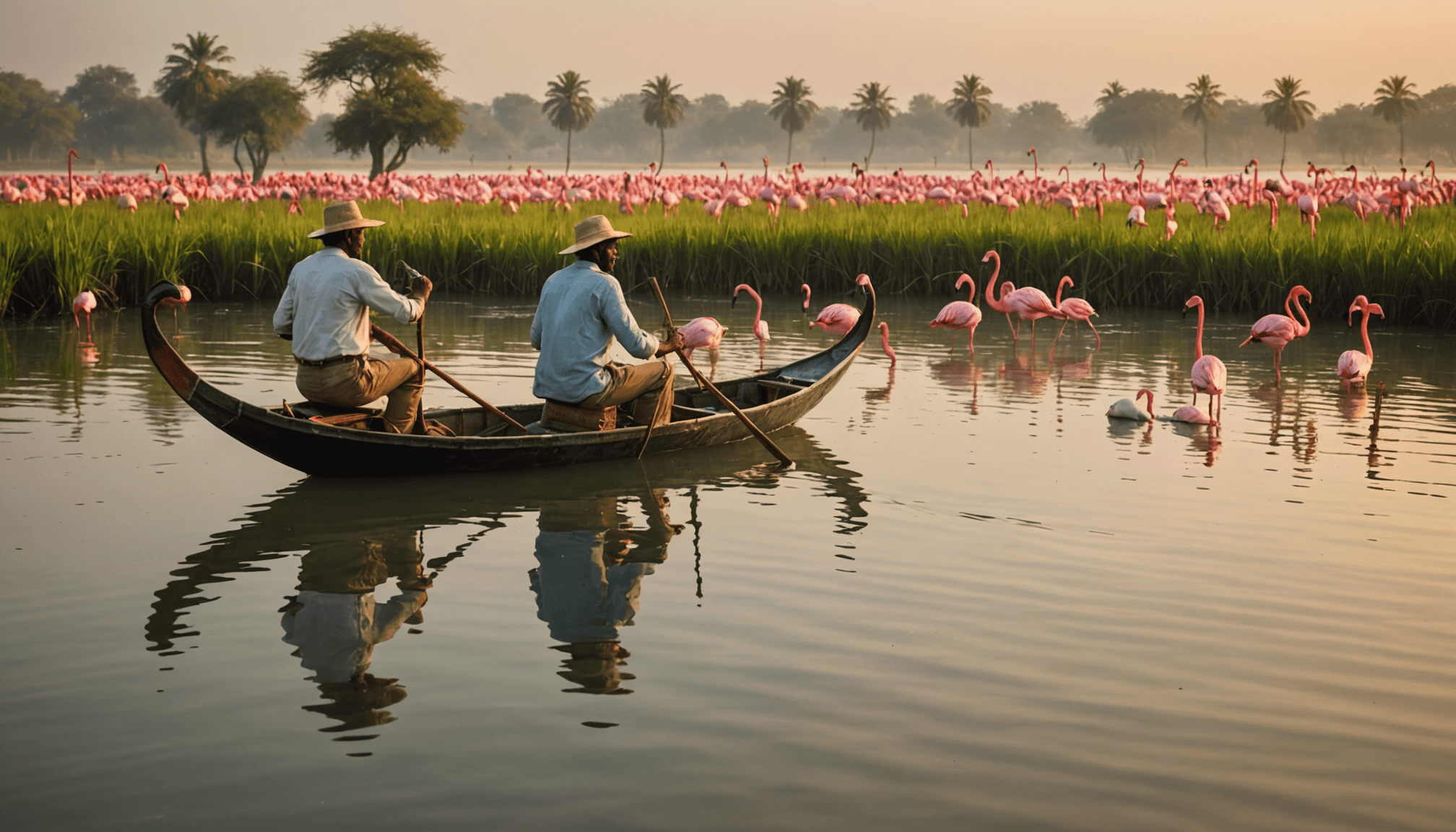
The first time you hear it, the sound is unmistakable: thousands of wings beating in unison as a flock of flamingos lifts off from the shallows. Nalsarovar Bird Sanctuary, Gujarat's largest wetland bird sanctuary spread across 120 square kilometers, transforms from a quiet backwater into a symphony of migratory life each winter. For travellers planning their first visit—or returning photographers hoping to time the migration perfectly—the difference between a memorable trip and a missed opportunity often comes down to preparation: knowing which months bring which species, what the morning boat departure actually involves, and where to base yourself so the 6:30 AM alarm feels manageable.
This guide covers everything you need to plan a complete Nalsarovar bird sanctuary experience, from seasonal timing to practical packing lists and accommodation strategy.
When to Visit: Understanding Nalsarovar's Bird Migration Calendar
Nalsarovar's character shifts dramatically across the year. The sanctuary functions as a crucial stopover on the Central Asian Flyway, and your experience depends almost entirely on aligning your visit with migratory patterns.
Peak Season: November Through February
This is the window most birdwatchers target. Temperatures range from 10°C to 28°C, making early morning boat rides comfortable rather than punishing. The wetland swells with arrivals from Siberia, Central Asia, and the Himalayas:
- November: Early arrivals including common cranes and various duck species begin establishing territories
- December–January: Peak diversity—flamingos, pelicans, herons, egrets, and the sought-after Siberian crane share the shallows
- February: Breeding plumage displays peak; resident species like the Sarus crane become more visible with nesting activity
Shoulder Months: October and March
October sees the first migratory stragglers arriving, while March catches late-departing flocks and the beginning of resident breeding season. Bird counts drop significantly, but so do crowds. Water levels can be unpredictable in October following monsoon withdrawal.
Off-Season: April Through September
The summer months (April–June) bring extreme heat—often exceeding 40°C—and rapidly evaporating water bodies that concentrate remaining birds in smaller areas. The monsoon (July–September) rejuvenates the wetland, but heavy rains limit boat access and most migratory species have departed. Some resident waterbirds and waders remain year-round, but this is not the Nalsarovar of postcard fame.
Experience note: Local boat operators confirm that the 6:30 AM departure consistently yields the best sightings. Birds are actively feeding, light is golden for photography, and afternoon winds haven't yet churned the water surface. By 10 AM, many species retreat to shoreline vegetation for roosting.
How to Reach Nalsarovar: Road Access and Local Logistics
Nalsarovar sits approximately 65 kilometers southwest of Ahmedabad, accessible via the Ahmedabad-Viramgam highway. The final approach involves rural roads through Sanand taluka—well-maintained but narrow in sections.
From Ahmedabad
Private vehicles offer the most flexibility for early arrivals. State transport buses run from Ahmedabad to Nalsarovar village, but schedules rarely accommodate the optimal 6:30 AM boat departure. Most visitors staying at nearby properties arrange local transport through their accommodation.
On Arrival: Sanctuary Entry and Boat Arrangements
The sanctuary entrance requires a permit (obtainable at the forest department office near the jetty). Boat rentals are organized through a cooperative society—no advance booking is typically possible, so arriving early secures better vessels and guides. Motorized boats seat 6–7 passengers; smaller groups may wait to share costs.
What to Pack: Essential Gear for Wetland Birdwatching
Nalsarovar's open water and mudflats expose visitors to elements that can ruin an unprepared trip. This isn't equipment-heavy wildlife tourism, but a few items significantly improve comfort and results.
Optics and Photography
- Binoculars: 8x42 or 10x42 magnification ideal for handheld boat use
- Camera with zoom lens: 200mm minimum; 400mm+ preferred for frame-filling shots of distant flamingo flocks
- Lens cloth: Essential—boat spray and dust are constant companions
Clothing and Protection
- Neutral tones: Khaki, olive, brown—bright colors disturb wildlife and reflect in water
- Wide-brimmed hat: Midday sun over water is intense
- Sunscreen SPF 30+: Water reflection amplifies exposure
- Light layers: Mornings can be genuinely cold (10–12°C in January); afternoons warm rapidly
- Waterproof sandals or old shoes: Boat landings involve muddy, sometimes submerged, shorelines
Practical Extras
- Drinking water: The sanctuary has limited facilities; carry 2 liters per person
- Dry snacks: Early departures mean missed hotel breakfasts
- Cash: Card payments rarely accepted for permits and boat fees
The property provides secure storage for valuables and can arrange packed breakfasts for guests departing before the dining service opens.
Where to Stay: Accommodation Strategy for Birdwatchers
Your lodging choice shapes the entire Nalsarovar experience. The sanctuary's rural location means no hotels or restaurants within immediate walking distance of the jetty. Most visitors face a choice: day-trip from Ahmedabad (requiring 4:30 AM departure) or stay locally.
The Case for Staying Near the Sanctuary
A stay near Nalsarovar eliminates the brutal pre-dawn highway drive from Ahmedabad. Guests at Om Sanctuary Palace by Hotshot Hotelier Hospitality can reach the boat jetty in approximately 15–20 minutes, allowing a 6:00 AM departure rather than 4:30 AM. This matters: sleep deprivation degrades birdwatching focus, and morning fog on the Ahmedabad-Viramgam highway can delay arrival regardless of departure time.
The property's location in the Nalsarovar area also permits flexible timing. If morning boats are fully booked or weather delays departure, guests can return later without sacrificing the entire day's logistics.
What to Expect from Local Accommodation
Rural Gujarat hospitality near Nalsarovar emphasizes functionality over luxury. Look for:
- Early breakfast or packed meal options
- Secure parking for vehicles
- Local transport arrangement assistance
- Flexible check-in/check-out for birdwatching schedules
The amenities at well-positioned properties typically include these practical supports rather than resort-style features.
Inside the Sanctuary: The Boat Experience
Understanding what actually happens during a Nalsarovar visit helps set expectations and maximize the experience.
The Boat Journey
Motorized wooden boats (shikara-style) depart from the main jetty for 2–3 hour circuits through shallow channels and open water areas. Guides identify species and navigate to active feeding zones. The boats are basic—bring cushions if back support matters.
Key Birding Zones
- Flamingo Point: Shallow alkaline flats attracting greater and lesser flamingos
- Pelican Island: Submerged vegetation where spot-billed pelicans nest
- Crane Marshes: Edges where common cranes and Sarus cranes forage
Guards rotate routes based on recent sightings; no two trips are identical.
Photography Considerations
- Boat movement: Use shutter speeds 1/1000s or faster
- Water level: Low water (February–March) concentrates birds but limits boat access to some areas
- Behavior patience: The most rewarding shots come from waiting rather than chasing
Extending Your Visit: Beyond the Boat
While the boat safari dominates most itineraries, the Nalsarovar area offers supplementary experiences for multi-day visitors.
Village Walks
The surrounding Sanand taluka villages maintain traditional Gujarat rural life. Morning or evening walks reveal indigenous cattle breeds, handicraft traditions, and agricultural rhythms. The property can suggest safe walking routes and appropriate etiquette.
Lothal Excursion
The ancient Indus Valley Civilization site at Lothal lies approximately 40 kilometers from Nalsarovar—a half-day diversion for history-interested visitors. Combine with an afternoon return to Nalsarovar for different lighting conditions.
Explore more nearby attractions to build a complete itinerary.
Practical Tips for a Smooth Visit
- Permit timing: Arrive by 6:15 AM to complete paperwork before the first boat departure rush
- Weekend crowds: Saturday and Sunday mornings see significant Ahmedabad day-trippers; Tuesday–Thursday offers quieter water
- Mobile coverage: Patchy near the sanctuary; download offline maps and confirm return transport arrangements before departure
- Respect distance: Boat operators maintain regulatory distances from nesting areas; never pressure guides to approach closer
Conclusion
Nalsarovar Bird Sanctuary rewards prepared visitors with genuine wildlife spectacle—tens of thousands of migratory birds in a working wetland that hasn't been polished into theme-park presentation. The experience hinges on timing your visit for the November–February migration window, securing early boat departure, and eliminating logistical friction through smart accommodation choice.
A property positioned near the sanctuary transforms Nalsarovar from an exhausting day-trip into a relaxed, repeatable experience. Whether you're chasing a specific species list or simply want to witness flamingos rising through golden morning light, the right base makes the difference.
Ready to plan your visit? Explore accommodation options positioned for early sanctuary access, or contact our team to arrange your birdwatching itinerary.
Frequently Asked Questions
What is the entry fee for Nalsarovar Bird Sanctuary? Boat and permit fees vary by passenger count and season; expect approximately ₹100–200 per person for sanctuary entry plus boat charges shared among passengers. Fees are payable in cash at the forest department office near the jetty.
Can I visit Nalsarovar Bird Sanctuary without a boat? Limited shoreline walking is possible near the jetty area, but the sanctuary's bird concentrations occur on islands and shallow flats accessible only by water. A boat trip is effectively essential for meaningful birdwatching.
Is Nalsarovar Bird Sanctuary safe for solo travellers? The sanctuary itself operates through licensed boat cooperatives with regulated routes. Solo travellers should use official boats rather than unofficial offers, and staying at established accommodation nearby provides additional security and local support.
How long should I plan for a Nalsarovar visit? The boat safari requires 2–3 hours. With transport from Ahmedabad, a day-trip consumes 8–10 hours. An overnight stay permits the optimal early morning departure without pre-dawn highway driving, and allows afternoon or next-morning repeat visits.
Are guides available at Nalsarovar Bird Sanctuary? Boat operators function as informal guides, identifying major species and navigating to active zones. For specialized birding, consider hiring a dedicated naturalist through Ahmedabad-based wildlife tour operators, or bring your own field guide.
What birds can I expect to see at Nalsarovar? Seasonal variation is significant. November–February typically yields flamingos (greater and lesser), pelicans, herons, egrets, storks, ibises, ducks, geese, cranes (common and Sarus), and numerous waders. Resident species include kingfishers, jacanas, and various raptors.
Is photography allowed at Nalsarovar Bird Sanctuary? Photography is permitted with standard camera equipment. Commercial filming requires prior forest department permission. Drones are prohibited throughout the sanctuary.
How far is Nalsarovar Bird Sanctuary from Ahmedabad? Approximately 65 kilometers by road, requiring 1.5–2 hours under normal conditions. Morning fog and weekend traffic can extend this significantly, reinforcing the advantage of local accommodation.
Frequently asked questions
What is the entry fee for Nalsarovar Bird Sanctuary?
Boat and permit fees vary by passenger count and season; expect approximately ₹100–200 per person for sanctuary entry plus boat charges shared among passengers. Fees are payable in cash at the forest department office near the jetty.
Can I visit Nalsarovar Bird Sanctuary without a boat?
Limited shoreline walking is possible near the jetty area, but the sanctuary's bird concentrations occur on islands and shallow flats accessible only by water. A boat trip is effectively essential for meaningful birdwatching.
Is Nalsarovar Bird Sanctuary safe for solo travellers?
The sanctuary itself operates through licensed boat cooperatives with regulated routes. Solo travellers should use official boats rather than unofficial offers, and staying at established accommodation nearby provides additional security and local support.
How long should I plan for a Nalsarovar visit?
The boat safari requires 2–3 hours. With transport from Ahmedabad, a day-trip consumes 8–10 hours. An overnight stay permits the optimal early morning departure without pre-dawn highway driving, and allows afternoon or next-morning repeat visits.
Are guides available at Nalsarovar Bird Sanctuary?
Boat operators function as informal guides, identifying major species and navigating to active zones. For specialized birding, consider hiring a dedicated naturalist through Ahmedabad-based wildlife tour operators, or bring your own field guide.
What birds can I expect to see at Nalsarovar?
Seasonal variation is significant. November–February typically yields flamingos (greater and lesser), pelicans, herons, egrets, storks, ibises, ducks, geese, cranes (common and Sarus), and numerous waders. Resident species include kingfishers, jacanas, and various raptors.
Is photography allowed at Nalsarovar Bird Sanctuary?
Photography is permitted with standard camera equipment. Commercial filming requires prior forest department permission. Drones are prohibited throughout the sanctuary.
How far is Nalsarovar Bird Sanctuary from Ahmedabad?
Approximately 65 kilometers by road, requiring 1.5–2 hours under normal conditions. Morning fog and weekend traffic can extend this significantly, reinforcing the advantage of local accommodation.